
CCTV surveillance systems have become a critical layer of infrastructure, enabling continuous monitoring, faster response, and greater operational control.
CCTV surveillance systems have become a critical layer of infrastructure, enabling continuous monitoring, faster response, and greater operational control.
In infrastructure work, trust is not built through promises — it is earned through performance, consistency, and responsibility.
When systems involve gas supply, fire safety, and surveillance, there is no room for shortcuts. Every installation carries real-world consequences. This is why customers don’t simply look for vendors; they look for partners they can rely on.
Clients place their trust in infrastructure partners who demonstrate discipline from day one:
A project may be completed in weeks or months, but its impact lasts for years. Reliability today ensures safety tomorrow.
In gas reticulation, firefighting systems, and surveillance infrastructure, safety is not an add-on. It is the core design principle.
From pressure regulation and metering to fire hydrants and monitoring systems, every component must function precisely as intended. Clients trust teams that:
This approach reduces risk, prevents downtime, and protects both people and property.
Experience cannot be improvised. It comes from years of working across diverse environments — commercial spaces, hospitals, residential complexes, hospitality projects, and institutional facilities.
Experienced teams anticipate challenges before they arise. They understand how systems behave over time, how environments affect performance, and how to adapt solutions without compromising safety or efficiency.
That confidence reflects in the way projects are planned, executed, and supported long after handover.
Infrastructure does not end at installation. Systems require monitoring, maintenance, and timely intervention.
Clients trust organisations that stay accountable beyond project completion:
This continuity of service transforms projects into partnerships.
Happy customers are not those who simply receive a finished project — they are those who experience:
Trust grows when systems work quietly in the background, doing exactly what they are supposed to do, day after day.
In critical infrastructure, trust is the highest compliment a customer can give. It is earned through engineering discipline, ethical practices, and unwavering commitment to safety.
When customers trust you with systems that protect lives and livelihoods, that trust becomes your most valuable asset — and your greatest responsibility.
In industrial and commercial environments, pipelines are more than conduits — they are critical lifelines that power operations, ensure continuity, and safeguard people and assets. From gas distribution to fire safety and monitoring systems, a well-designed industrial pipeline setup forms the backbone of modern infrastructure.
Industries such as manufacturing, hospitality, healthcare, and large commercial complexes depend on uninterrupted energy and utility supply. A poorly designed or executed pipeline system can lead to inefficiencies, safety risks, and costly downtime.
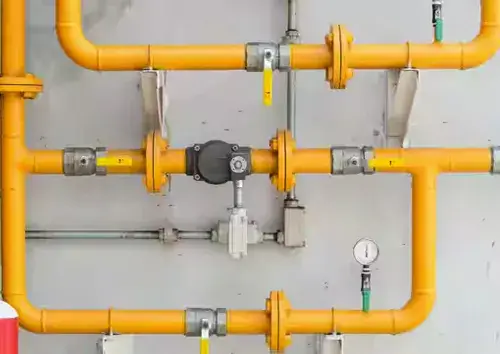
A robust industrial pipeline setup ensures:
When designed correctly, these systems operate quietly in the background—reliable, predictable, and secure.
The effectiveness of any industrial pipeline system is determined at the design stage. Factors such as load requirements, pressure ratings, material selection, layout planning, and redundancy are critical.
Experienced engineering teams:
This design-first approach reduces risk and extends system life.
Industrial pipeline installation demands discipline and technical accuracy. Every joint, weld, and connection must meet strict quality benchmarks.
Key aspects of professional installation include:
Precision during installation ensures the system performs exactly as intended under real-world conditions.
Modern industrial pipeline setups rarely function in isolation. They are integrated with:
This integration enables early anomaly detection, rapid response during emergencies, and continuous oversight—significantly improving overall safety.
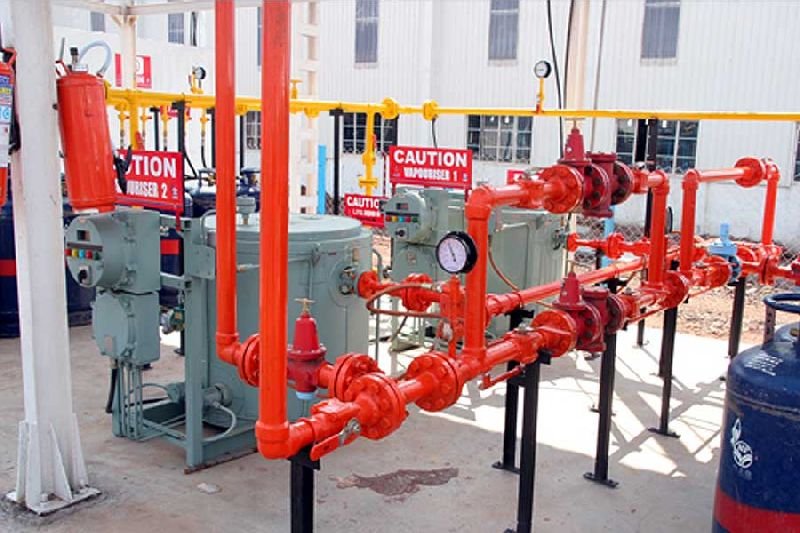
Even the best-designed systems require regular care. Preventive maintenance and timely inspections are essential to avoid failures and extend system lifespan.
Through Annual Maintenance Contracts (AMC) and structured service support, organisations can:
Long-term reliability is built through consistent attention, not reactive fixes.
Industrial pipeline systems demand partners who understand responsibility as much as engineering. Experience, ethical practices, and a safety-first mindset distinguish dependable infrastructure providers from ordinary contractors.
A trusted partner brings:
Industrial pipeline setups are not just technical installations — they are foundations of safe, efficient, and sustainable operations. When designed with foresight, installed with precision, and maintained responsibly, they protect people, processes, and productivity.
In critical infrastructure, reliability is not optional. It is engineered.