
In industrial and commercial environments, pipelines are more than conduits — they are critical lifelines that power operations, ensure continuity, and safeguard people and assets. From gas distribution to fire safety and monitoring systems, a well-designed industrial pipeline setup forms the backbone of modern infrastructure.
Why Industrial Pipeline Systems Matter
Industries such as manufacturing, hospitality, healthcare, and large commercial complexes depend on uninterrupted energy and utility supply. A poorly designed or executed pipeline system can lead to inefficiencies, safety risks, and costly downtime.
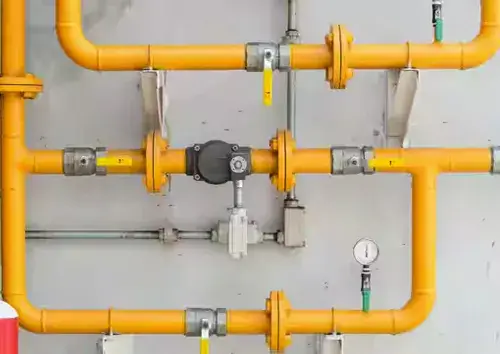
A robust industrial pipeline setup ensures:
- Controlled and safe distribution of gas and utilities
- Operational efficiency with minimal pressure loss
- Compliance with safety and regulatory standards
- Scalability for future expansion
When designed correctly, these systems operate quietly in the background—reliable, predictable, and secure.
Design Is Where Safety Begins
The effectiveness of any industrial pipeline system is determined at the design stage. Factors such as load requirements, pressure ratings, material selection, layout planning, and redundancy are critical.
Experienced engineering teams:
- Analyse site conditions and usage patterns
- Select appropriate piping, valves, and regulators
- Integrate safety devices such as pressure relief and isolation mechanisms
- Plan access for inspection and maintenance
This design-first approach reduces risk and extends system life.
Installation with Precision and Accountability
Industrial pipeline installation demands discipline and technical accuracy. Every joint, weld, and connection must meet strict quality benchmarks.
Key aspects of professional installation include:
- Proper alignment and structural support
- Pressure testing and leak detection
- Adherence to statutory and client-specific standards
- Clear documentation for audits and future reference
Precision during installation ensures the system performs exactly as intended under real-world conditions.
Integration with Safety and Monitoring Systems
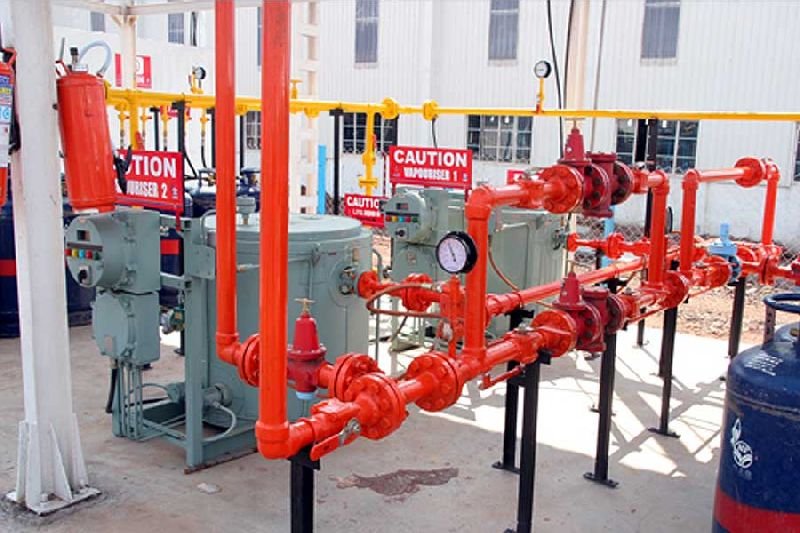
Modern industrial pipeline setups rarely function in isolation. They are integrated with:
- Pressure regulating and metering systems
- Fire hydrant and firefighting networks
- CCTV and surveillance systems for monitoring critical zones
This integration enables early anomaly detection, rapid response during emergencies, and continuous oversight—significantly improving overall safety.
Maintenance: The Key to Long-Term Reliability
Even the best-designed systems require regular care. Preventive maintenance and timely inspections are essential to avoid failures and extend system lifespan.
Through Annual Maintenance Contracts (AMC) and structured service support, organisations can:
- Detect wear and tear early
- Maintain consistent performance levels
- Ensure ongoing compliance with safety norms
- Reduce unexpected downtime and repair costs
Long-term reliability is built through consistent attention, not reactive fixes.
Choosing the Right Infrastructure Partner
Industrial pipeline systems demand partners who understand responsibility as much as engineering. Experience, ethical practices, and a safety-first mindset distinguish dependable infrastructure providers from ordinary contractors.
A trusted partner brings:
- Proven experience across industries
- Disciplined execution standards
- Transparent communication
- Long-term service commitment
Conclusion
Industrial pipeline setups are not just technical installations — they are foundations of safe, efficient, and sustainable operations. When designed with foresight, installed with precision, and maintained responsibly, they protect people, processes, and productivity.
In critical infrastructure, reliability is not optional. It is engineered.